
CGRC
Governance, risk and compliance through the NIST RMF lifecycle.
7 episodes in study order
- 01
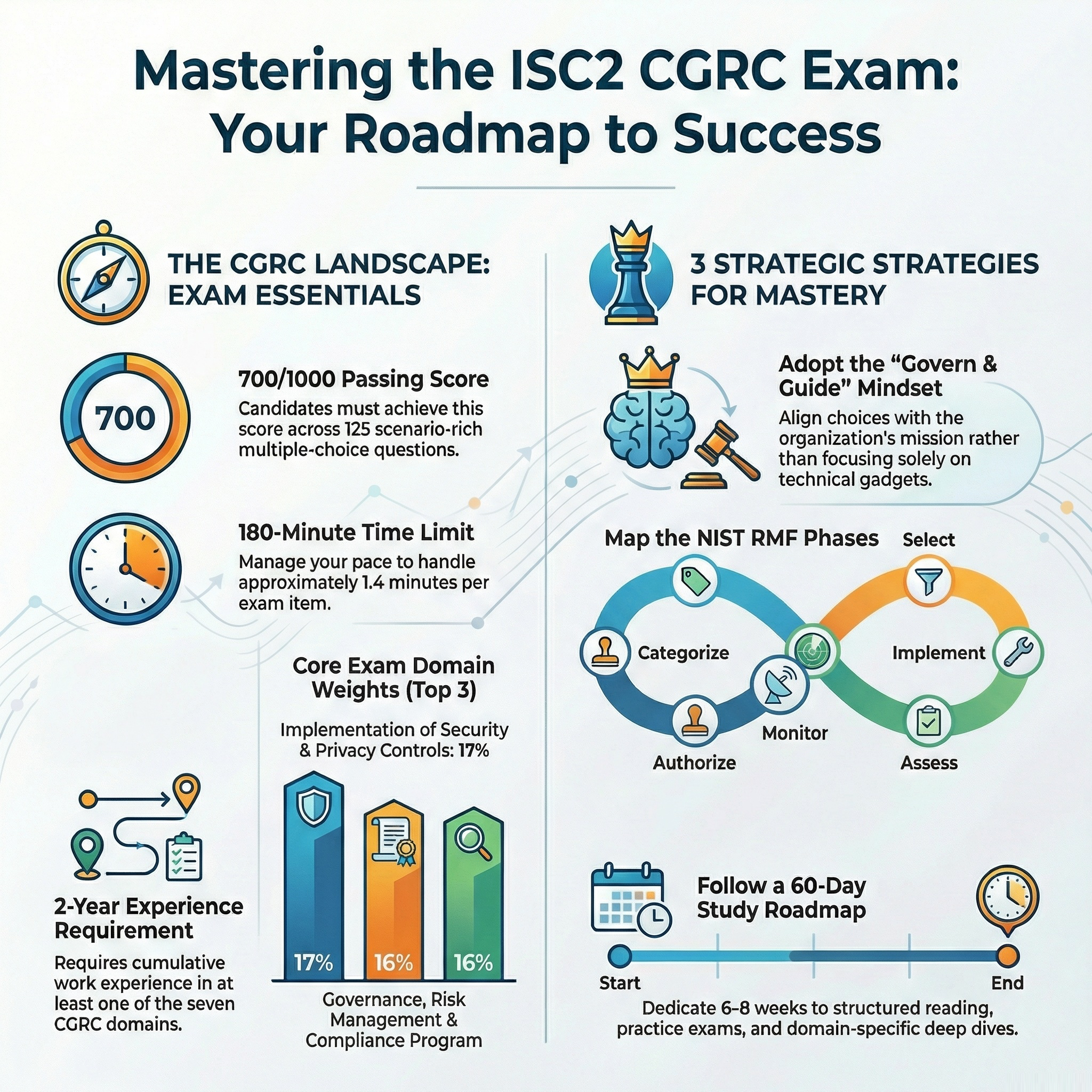 Domain 01Feb 13, 202615:38Mastering CGRC Governance and Risk
This podcast provides a foundational look at the Risk Management Framework (RMF) and the federal mandates that govern it. The material focuses on essential legislation like FISMA and the Privacy Act , while outlining how
- 02
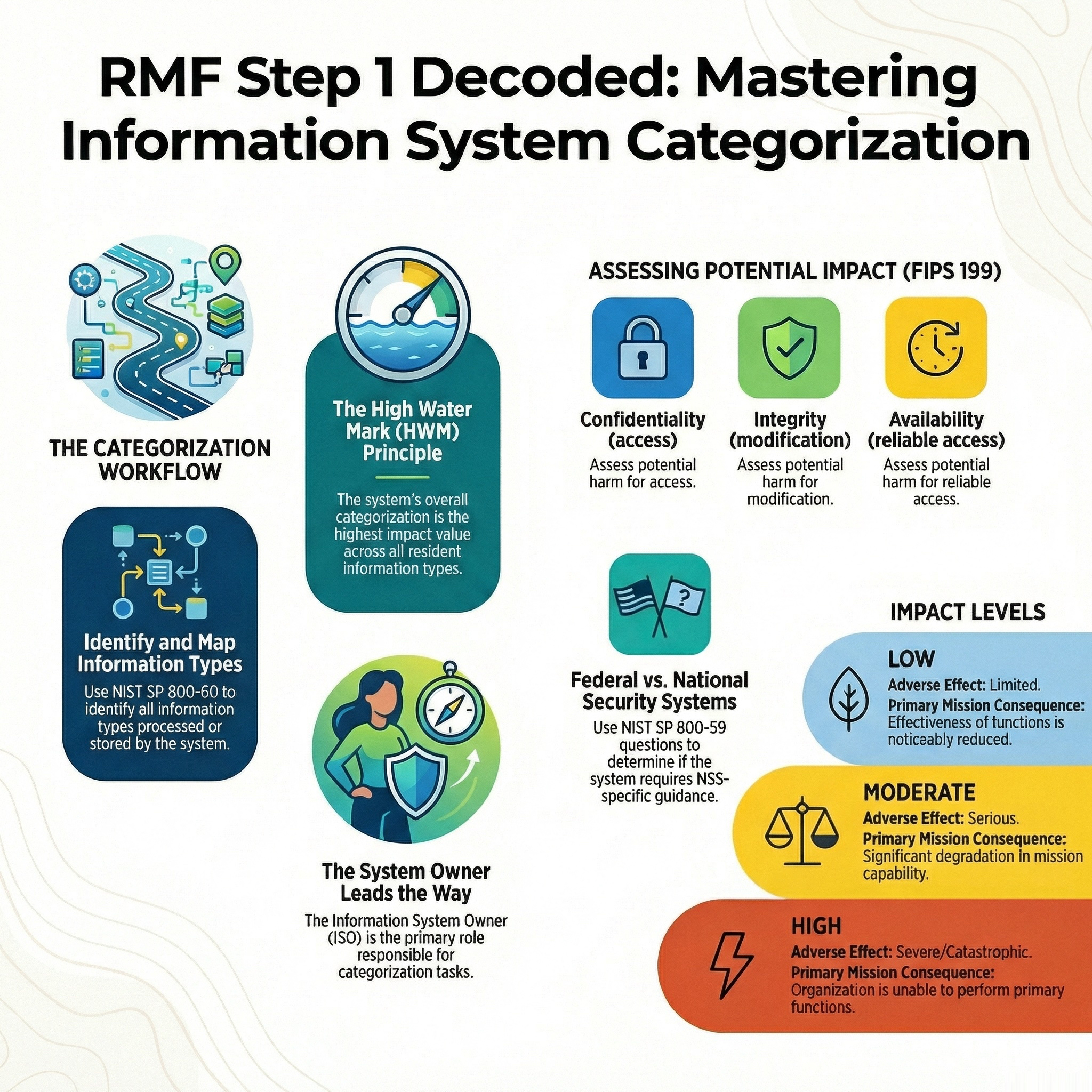 Domain 02Feb 13, 202616:47Mastering CGRC Domain 2 Scope & Categorization
This podcast outlines the Risk Management Framework (RMF) and its critical role in securing federal information systems. The documentation, which includes ISC2 training guides and NIST special publications , focuses heav
- 03
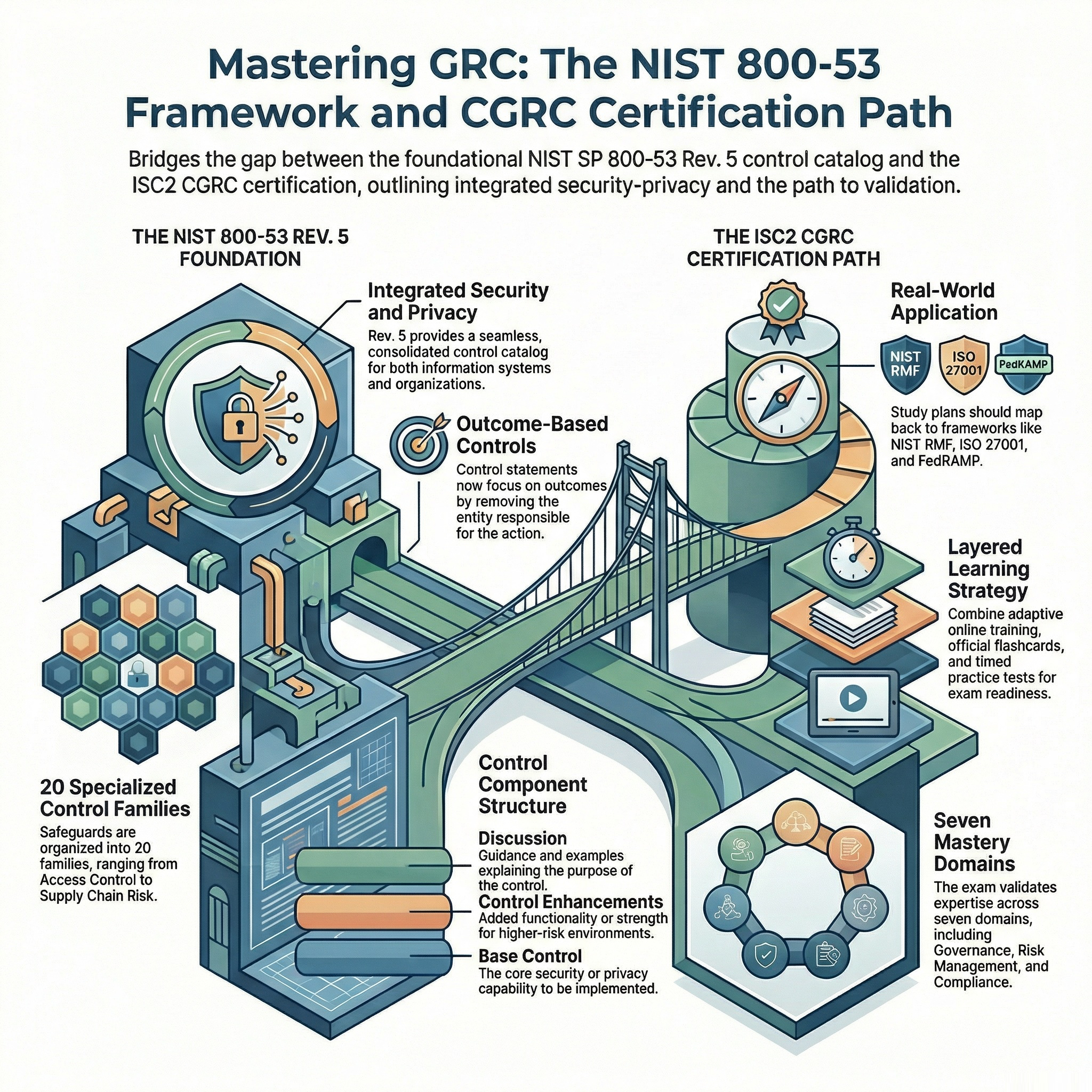 Domain 03Feb 14, 202617:35Selecting and Tailoring NIST Security Control
This podcast details the essential frameworks and training resources used to maintain robust cybersecurity and privacy standards within modern organizations. One document serves as a comprehensive catalog of technical co
- 04
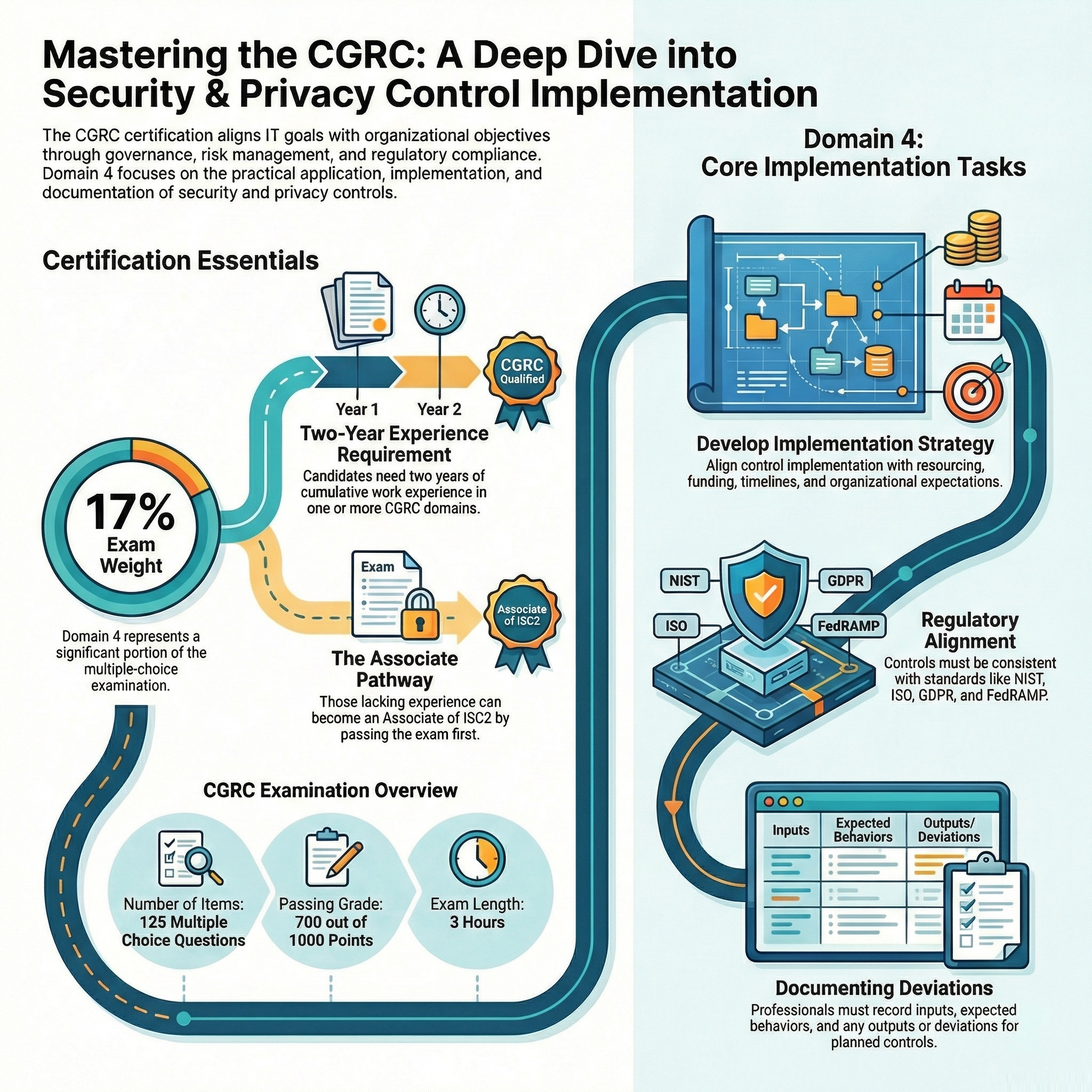 Domain 04Feb 14, 202617:15Hardening Systems & Documenting RMF Controls
This podcast details the governance, selection, and application of security and privacy controls within the NIST Risk Management Framework . The sources outline the CGRC certification requirements, emphasizing continuous
- 05
 Domain 05Feb 14, 202615:06Proving Security Controls With NIST 800-53A
The provided podcast outlines the Risk Management Framework (RMF) developed by NIST to help organizations secure information systems and manage privacy risks. These materials explain how to categorize systems , select an
- 06
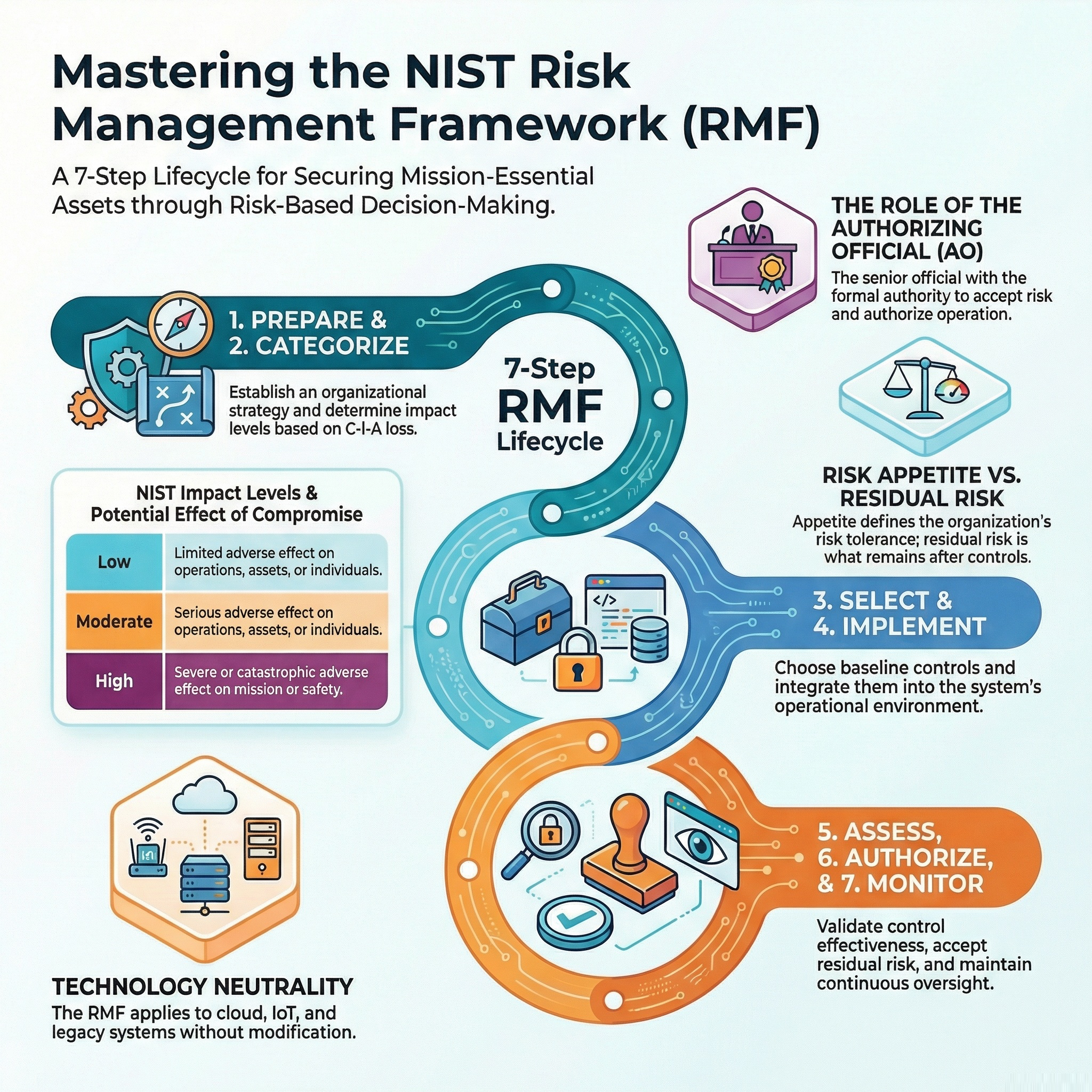 Domain 06Feb 14, 202614:11Risk Acceptance Demands Budget Authority
This podcast outlines essential strategies for professionals to manage technology and organizational risk through certifications and structured frameworks . One source highlights specific credentials for mastering vibe c
- 07
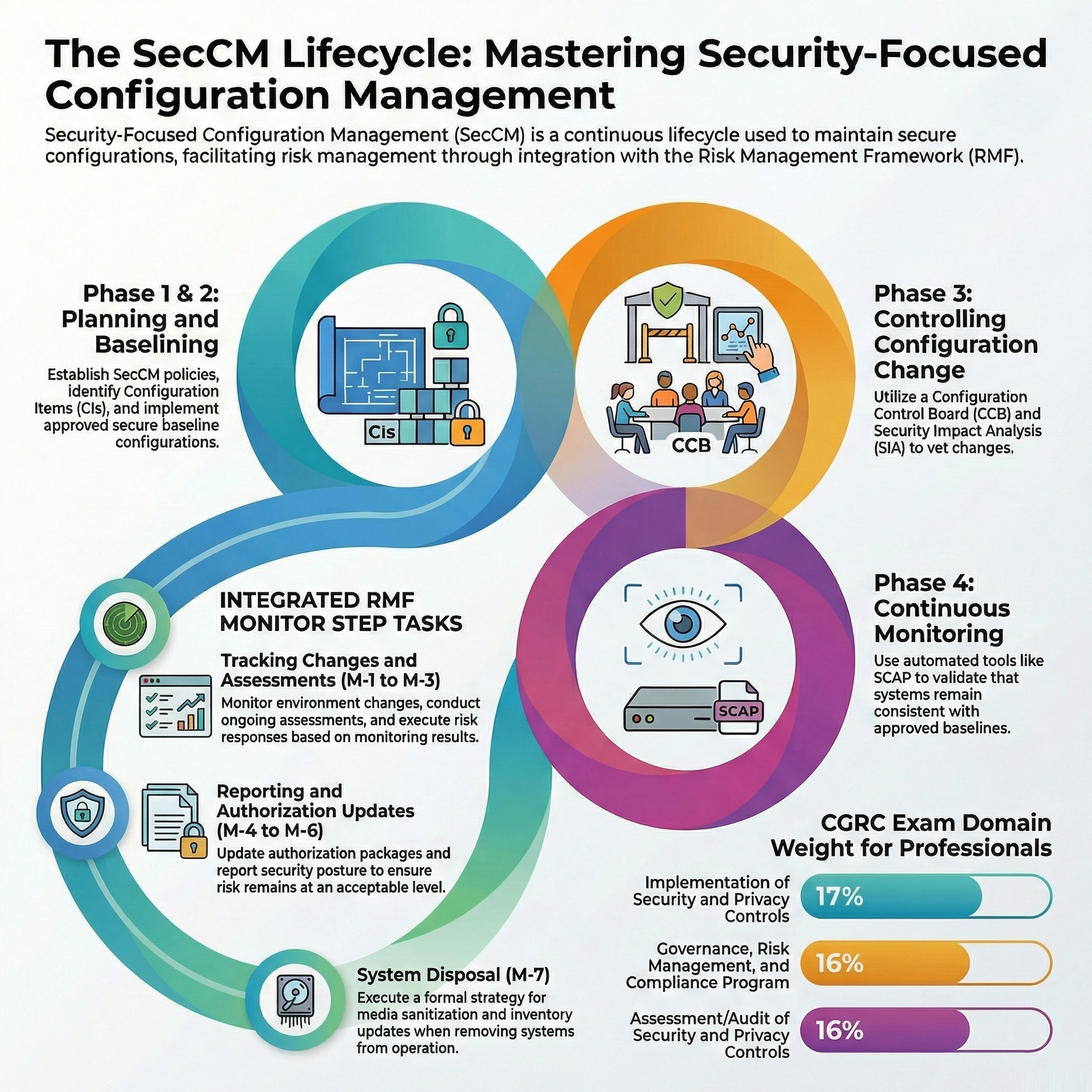 Domain 07Feb 14, 202618:24Continuous Monitoring & Ongoing Authorization
This podcast outlines the continuous monitoring phase of the Risk Management Framework (RMF), emphasizing the need for ongoing situational awareness in federal information systems. The provided text details how organizat